
Quick Answer: Yes. If your dentist or hygienist has recommended scaling and root planing, booking it in November usually makes sense. Your gums get several calm weeks to heal before the busy holiday season, and your follow-up visit can fall around the new year. Waiting until spring gives gum disease another season to progress.
If your last checkup ended with a recommendation for a deep cleaning, you may be tempted to push it to “after the holidays.” However, November is one of the most practical months of the year for scaling and root planing in Ilderton. The fall routine has settled, December has not yet filled your calendar, and your gums have time to recover before winter fully arrives. At Ilderton Dental Care, we often explain to patients that the timing is about more than convenience. It also matters for healing and follow-up.
What Is Scaling and Root Planing?
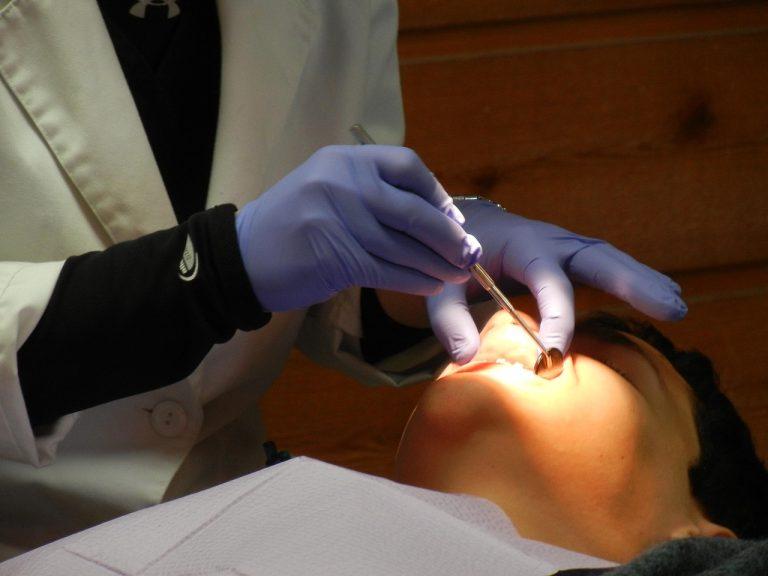
Scaling and root planing is a deep cleaning that treats gum disease below the gumline. A regular cleaning focuses on the visible tooth surfaces and the area just at the gums. In contrast, a deep cleaning reaches into the pockets that form when gums pull away from the teeth.
The procedure has two parts. First, scaling removes hardened plaque (calculus) and bacteria from the tooth surfaces and from inside the gum pockets. Next, root planing smooths the root surfaces so the gums can reattach more easily and bacteria have fewer rough spots to cling to.
According to a Cochrane systematic review, periodontitis involves the inflammation and destruction of the tissues that support the teeth, and its treatment involves subgingival instrumentation, meaning the professional removal of plaque, calculus and debris from below the gumline. That review also notes that some studies suggest a two-way relationship between gum disease and blood sugar control in people with diabetes. Consequently, patients managing diabetes have an extra reason not to postpone treatment.
You can read more about how our team approaches this treatment on our scaling and root planing service page.
Should You Get Scaling and Root Planing Before Winter?
For most patients, yes. Gum disease does not pause for the season. In fact, the bacteria that cause it keep working whether you treat them in November or in April. Specifically, untreated periodontal pockets tend to deepen over time, and deeper pockets can lead to bone loss, loose teeth and more involved care later.
Furthermore, November offers a few practical advantages that other months do not.
Your Gums Get Quiet Weeks to Heal
After a deep cleaning, gums are often tender for a few days. Some patients also notice temporary sensitivity to hot or cold. Booking in early or mid-November means that early recovery period happens on an ordinary week, not during a holiday dinner. Additionally, by the time December gatherings begin, most of that tenderness has usually settled.
Your Follow-Up Visit Lines Up Naturally
Your dental team will typically want to re-check your gums several weeks after treatment. This visit measures whether pockets have shrunk and whether inflammation has calmed down. When treatment happens in November, that re-evaluation tends to land around the end of the year or early in January. As a result, you start the new year knowing exactly where your periodontal health stands.
December Calendars Fill Quickly
Between school concerts, work events, travel and family visits, December is a hard month to schedule anything. Similarly, many people try to fit last-minute appointments in before year-end. Booking your deep cleaning in November avoids that crunch for you and gives you more choice of appointment times.
Using Your Dental Benefits Before Year-End
Many dental insurance plans run on a calendar year, although some do not. If yours resets on January 1, any unused coverage for this year may not carry over. Therefore, November is a sensible month to check your remaining benefits and plan treatment accordingly.
Ilderton Dental Care also accepts the Canadian Dental Care Plan (CDCP). If you are unsure what your plan covers for periodontal treatment, our front desk team can help you review it before you book. That way, there are no surprises at the appointment.
How Winter Habits Can Affect Gum Health
Winter brings a few habits that can be hard on gums that are already inflamed. For example, holiday treats, sweet drinks and more frequent snacking all give plaque bacteria extra fuel. Meanwhile, colder weather often means more time indoors and, for some people, less consistent routines.
Treating gum disease before that stretch begins puts you in a stronger position. Healthier gums with shallower pockets are easier to keep clean with brushing and flossing at home. In other words, a November deep cleaning makes your daily oral hygiene more effective through the months when it tends to slip.
What to Expect at Your Deep Cleaning in Ilderton
At our Ilderton office, scaling and root planing usually begins with a careful assessment. Your dentist or hygienist measures gum pockets and may use digital X-rays to check the bone that supports your teeth. Then, the team freezes the areas being treated so you stay comfortable.
Depending on how much of your mouth needs care, treatment may happen in one visit or be split across two or more appointments. For patients who feel nervous about dental work, the clinic also offers nitrous oxide and other sedation options. Just ask during your consultation.
Afterward, you can expect some mild soreness. Most people return to normal activities the same day. Your team will give you aftercare instructions, which often include gentle brushing, saltwater rinses and avoiding very hard or crunchy foods for a short time.
Signs You May Need Scaling and Root Planing
Only an exam can confirm whether you need a deep cleaning. Still, certain symptoms are worth mentioning to your dental team:
- Gums that bleed when you brush or floss
- Red, puffy or tender gums
- Persistent bad breath
- Gums that seem to be pulling away from your teeth
- Teeth that feel loose or have shifted
The Canadian Dental Association explains that regular dental checkups help catch problems like gum disease early, often before you notice symptoms yourself. Likewise, the Ontario Dental Association outlines common dental procedures so patients can understand their options before treatment.
Frequently Asked Questions
Does scaling and root planing hurt?
The treated areas are frozen, so most patients feel pressure rather than pain during the procedure. Afterward, mild tenderness and temporary sensitivity are common for a few days.
How long does it take gums to heal after a deep cleaning?
Initial tenderness usually fades within several days. Deeper healing, including pocket reduction, takes a few weeks, which is why your dental team schedules a follow-up visit to re-check your gums.
Can I wait until spring for my deep cleaning?
You can, but gum disease often keeps progressing in the meantime. Waiting another season may allow pockets to deepen, which can mean more extensive treatment later.
Will my insurance cover scaling and root planing?
Many dental plans include some coverage for periodontal treatment, but details vary. Ilderton Dental Care accepts the Canadian Dental Care Plan and can help you review your benefits before treatment.
Book Your November Deep Cleaning
If you have been told you need scaling and root planing, or your gums have been bleeding or feeling tender, now is a good time to act. Our dentists and hygienists at Ilderton Dental Care will explain your options clearly and build a treatment plan around your needs and your schedule. Contact our Ilderton office to book your appointment before the holiday rush begins.
Sources & References
- Treatment of periodontitis for glycaemic control in people with diabetes mellitus (Cochrane Database of Systematic Reviews, 2022)
- Canadian Dental Association: Regular Dental Checkups
- Ontario Dental Association: Common Dental Procedures